
How to Check for a Warrant in Lee County
Read the citation or notice first. The name of the court on that paper tells you where a Lee County warrant record would live. Felony and district criminal matters run through the District Clerk and the 21st or 335th Judicial District Court, while County Court work takes a separate clerk route. A traffic, fine-only, or Class C case may belong to JP2, JP3, JP4, Giddings Municipal Court, or Lexington Municipal Court. The Sheriff's Most Wanted page can show whether a name appears in its public subset. A blank result there is not a clean bill: no other Lee County court is ruled out by that search.
- Read the court and case number on the notice before choosing a search.
- Use the Sheriff’s name search as a limited public check, with its Current and Arrested filters.
- Contact the named JP, city court, County Court, or District Clerk for its own record.
- If the issuing agency is unclear, call the Lee County Sheriff’s Office at 979-542-2800 for routing.
- Ask the issuing court or a lawyer about the proper next step and keep written confirmation.
Which Lee County Clerk Holds Which Warrant Record?
Not every warrant record sits in one Lee County office. The Lee County District Clerk keeps the papers for criminal district dockets. The County Clerk handles County Court and the other county-record duties. A JP or municipal court holds its own citation, fine, appearance, and capias information. Those divisions matter. A search at the wrong desk can come back empty while another Lee County court actually controls the case.
| Record question | First office to ask | What it holds |
|---|---|---|
| District felony file | District Clerk | 21st and 335th criminal dockets and filings |
| County Court case | County Clerk or County Court | County-level case information; confirm record type |
| Traffic, FTA, or fine | Issuing JP or city court | Local citation, payment, appearance, and capias status |
Types of Warrants in Lee County
Lee County courts use several labels: arrest warrant, bench warrant, FTA, capias, and capias pro fine. An arrest warrant follows a magistrate's written order. A bench or FTA process grows out of a missed appearance or another court condition. A capias pro fine ties to a judgment with an unpaid fine or costs. Search warrants do something different, authorizing a defined search, so they will not show up in an ordinary arrest-list lookup for Lee County.
| Process | Common local context | Likely record custodian |
|---|---|---|
| Arrest warrant | Probable-cause process on a criminal offense | Issuing court or magistrate; service may involve LCSO |
| Bench or FTA process | Missed setting or required response | Court that set the date |
| Capias pro fine | Unpaid judgment or failure to meet court terms | JP or municipal court |
| Search warrant | Judicial authority to search a stated place or item | Issuing magistrate, subject to access rules |
When a Missed Date Reaches a Lee County Court
A missed setting in Lee County leads to whatever rule your court applies, not one countywide workflow. Giddings Municipal Court states plainly that a phone call is not an appearance; it wants an in-person, mailed, or emailed response within the period stated on the citation. Lexington Municipal Court asks for written contact within ten days and warns that failing to appear at a hearing can bring a fine and a capias pro fine. JP and district matters run on their own rules. The court named on your paper controls the answer. Ask the clerk what the record shows now, and whether a reset, written response, or payment plan is available. Contacting police does not satisfy a court deadline.
What a Lee County Warrant Record Shows
Lee County publishes no warrant-number format or status-code list. A record may carry a cause, citation, or warrant number, depending on the issuing court. A public summary can show less than the court file. The Sheriff's search results show only a name, with no warrant number, charge, bond, court, or status field.
| Case reference | Use the cause or citation number exactly as the court gives it. No countywide format is documented. |
|---|---|
| Issuing authority | The court or magistrate that controls the process. |
| Type and basis | Arrest, FTA, capias, capias pro fine, search, or another named process. |
| Financial terms | Bond, fine, costs, or fees only when the official record displays them. |
| Status | Ask whether it is active, served, recalled, quashed, or otherwise closed. |
What the Lee County Sheriff Search Leaves Out
The Lee County Sheriff's Most Wanted page offers a name box, Search and Show All buttons, sorting, and Name, Current, and Arrested filters. Those tools describe that one page, not a full Lee County warrant register. The Sheriff posts no refresh schedule, total count, export option, or completeness notice. A JP or city-court capias may sit with that court alone, and sealed, juvenile, recent, or out-of-county matters follow other paths. Treat the page as a curated listing only. Confirm with the issuing court.
Who Issues and Serves Lee County Warrants
Courts and authorized magistrates issue process. Officers serve it. Lee County's 21st and 335th District Courts take district criminal matters, while County Court, the three JPs, and the Giddings and Lexington municipal courts handle other case types. The Sheriff, precinct constables, and city police all play law-enforcement roles, though no local source publishes a warrant-by-warrant assignment chart. To verify which record is involved, the issuing court is still the best stop.
Lee County Sheriff’s Office
P.O. Box 98, 2122 FM 448
Giddings, TX 78942
979-542-2800
Lee County Court Roles Follow the Precinct on the Citation
Justice Court work in Lee County divides among Precincts 2, 3, and 4. JP2 sits in Giddings, JP3 in Lexington, and JP4 in Dime Box. Getting a citation inside a city does not mean that city's municipal court issued it; read the court name printed on the paper. Each JP keeps its own case and payment channel, and constables work from precinct offices, though no published chart assigns a warrant category to one constable. For sorting out trial and appellate courts, the Texas Judicial Branch directory lists Lee County courts and shows what each one is. An appellate listing is context, not the place to confirm an ordinary local warrant.
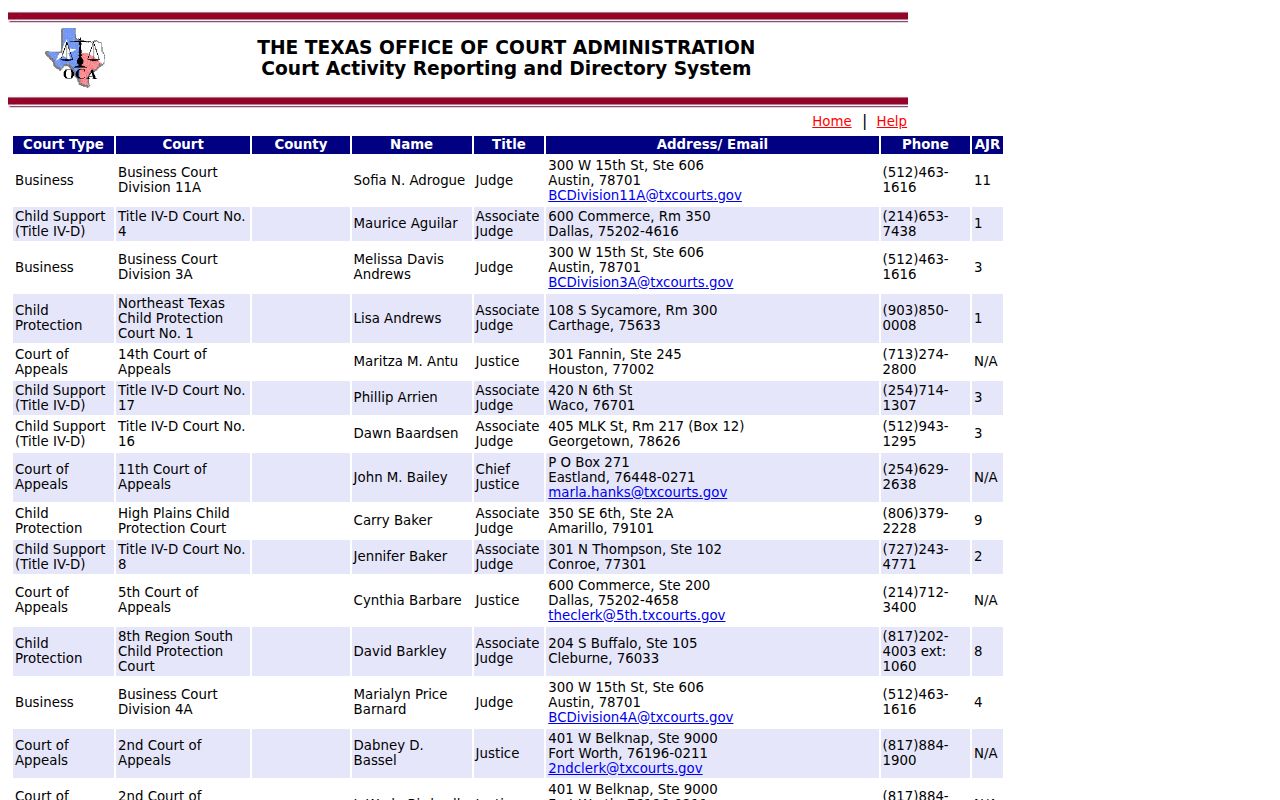
The directory tells you a Lee County court exists; the local clerk confirms the case that office actually holds.
What to Do If You Have a Lee County Warrant
Start with the issuing court. Ask what the Lee County warrant requires and which step will resolve it. A fine-only capias may allow payment, a payment plan, community service, or an appearance. A district arrest warrant is heavier. That one can call for counsel, a motion, a bond arrangement, or an attorney-assisted surrender. One payment portal does not clear every warrant countywide. If surrender is directed, call LCSO at 979-542-2800 first for current intake and bond routing; the public site promises no walk-in schedule.
Before acting: Ask a lawyer and the issuing court how to arrange a recall, appearance, bond, or surrender, then keep proof of the court’s response.
A DPS or OmniBase Hold Is Not a Lee County Warrant Search
Texas DPS and OmniBase run a reporting program for failure to appear or failure to pay, tied to license renewal. It is not a statewide public warrant list. DPS specialists hold no warrant information. A hold can point you to a court. It does not prove a Lee County warrant exists. Ask each reporting court about the citation, the fine, and any court process. The OmniBase’s individual information page explains the program and sends people to the reporting court to resolve a case.
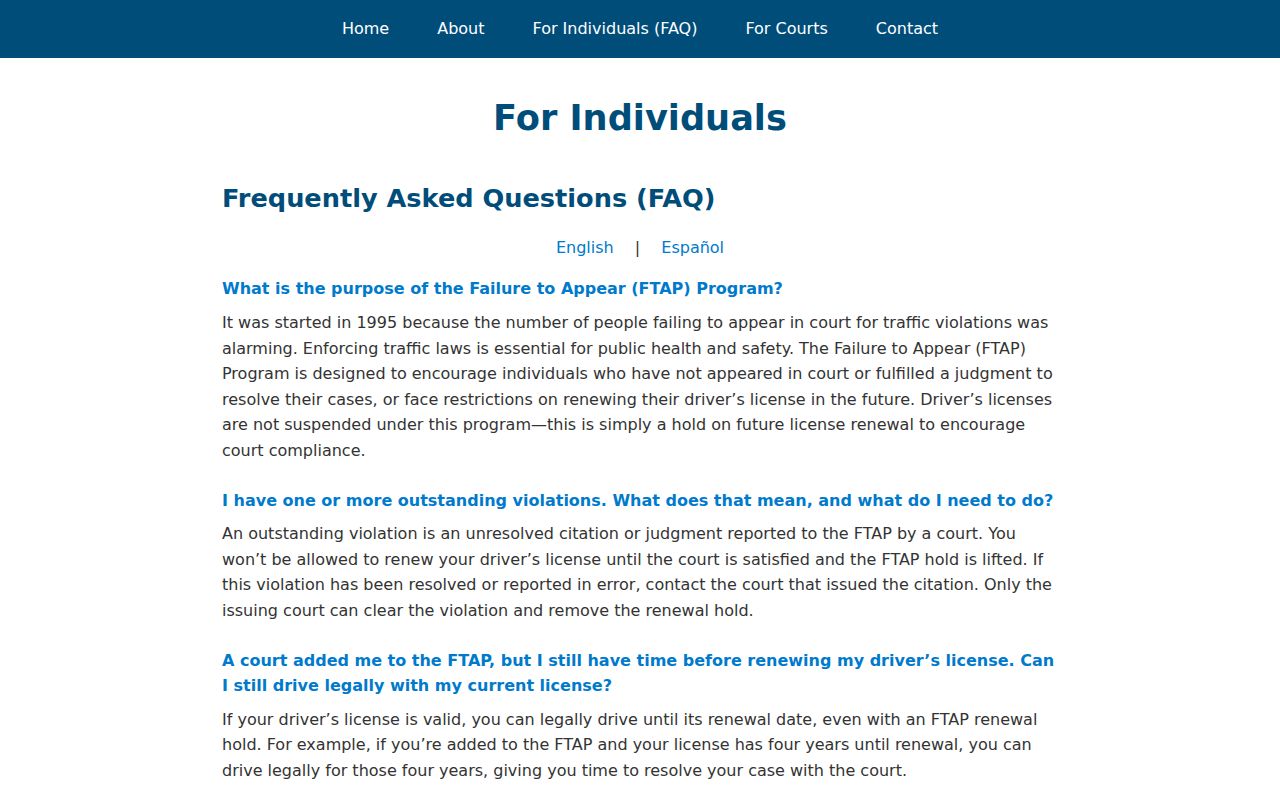
A hold can linger after payment. A court’s report may take up to seven business days to clear after the court updates its system. That delay does not prove a Lee County warrant is recalled.
Public Access to Lee County Warrant Records
The Texas Public Information Act covers most government records. Exceptions and confidentiality rules still apply. Send a request to the office that made or holds the Lee County record. One rule matters for warrants. Texas Code of Criminal Procedure Article 15.26 makes an arrest warrant and its supporting affidavit open for inspection or copying after execution, subject to other limits. It does not put every unexecuted or sealed record on a web page.
Access rules to know:
Texas Government Code Chapter 552 covers public information and statutory exceptions.
Texas Code of Criminal Procedure Article 15.26 addresses public access after execution of an arrest warrant.
Texas Family Code Section 58.010 protects juvenile arrest-warrant records.
The Historic Lee County Courthouse Is Not Every Records Counter
The 1899 courthouse makes a handy landmark. It does not settle where a Lee County clerk counter sits today. County notices have differed about office locations. Verify the address on the current contact page first. That applies to the District Clerk, County Clerk, Justice Courts, or Sheriff, especially during moves and returns. Many requests begin by phone, email, or the proper portal. The Texas Historical Commission courthouse record documents the building’s public history and stays separate from any current court docket.
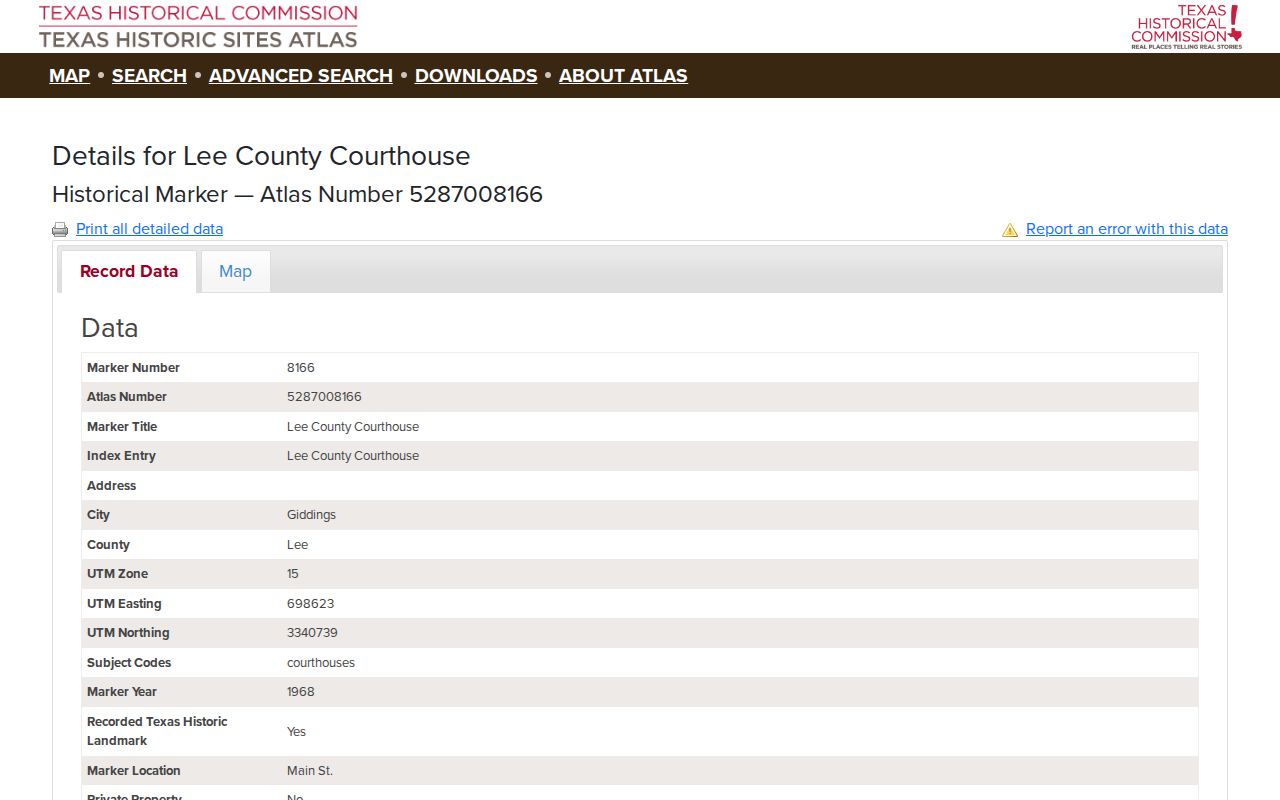
Use the current office directory when planning a trip to Lee County. A historic building photo confirms no warrant or case location.
Warrant Records by City in Lee County
Two Lee County cities run their own municipal systems. Giddings counted 4,969 residents in the 2020 Census. Lexington counted 1,217. Giddings Municipal Court requires a response within its stated period. A phone call there is not an appearance. Lexington requires written contact and publishes its payment and capias-pro-fine procedures. Dime Box sits in JP4 rather than a municipal-city profile.
Giddings Warrant Records
4,969 residents in 2020; city police contact and a municipal court with written and in-person response options.
Lexington Warrant Records
1,217 residents in 2020; municipal court and JP3 are separate citation channels.
Federal Warrant Records Use a Separate Lee County Route
Federal cases skip the Lee County Sheriff. A JP payment portal will not carry one either. Lee County sits in the Western District of Texas, Austin Division. Federal dockets run through PACER and the federal court. The U.S. Marshals Service lists its Western District locations. Sealed or unexecuted federal process may stay out of public self-service searches. For a federal question, ask counsel or the federal court, not a city clerk. The Western District PACER/CM-ECF page identifies the federal docket system for that district.
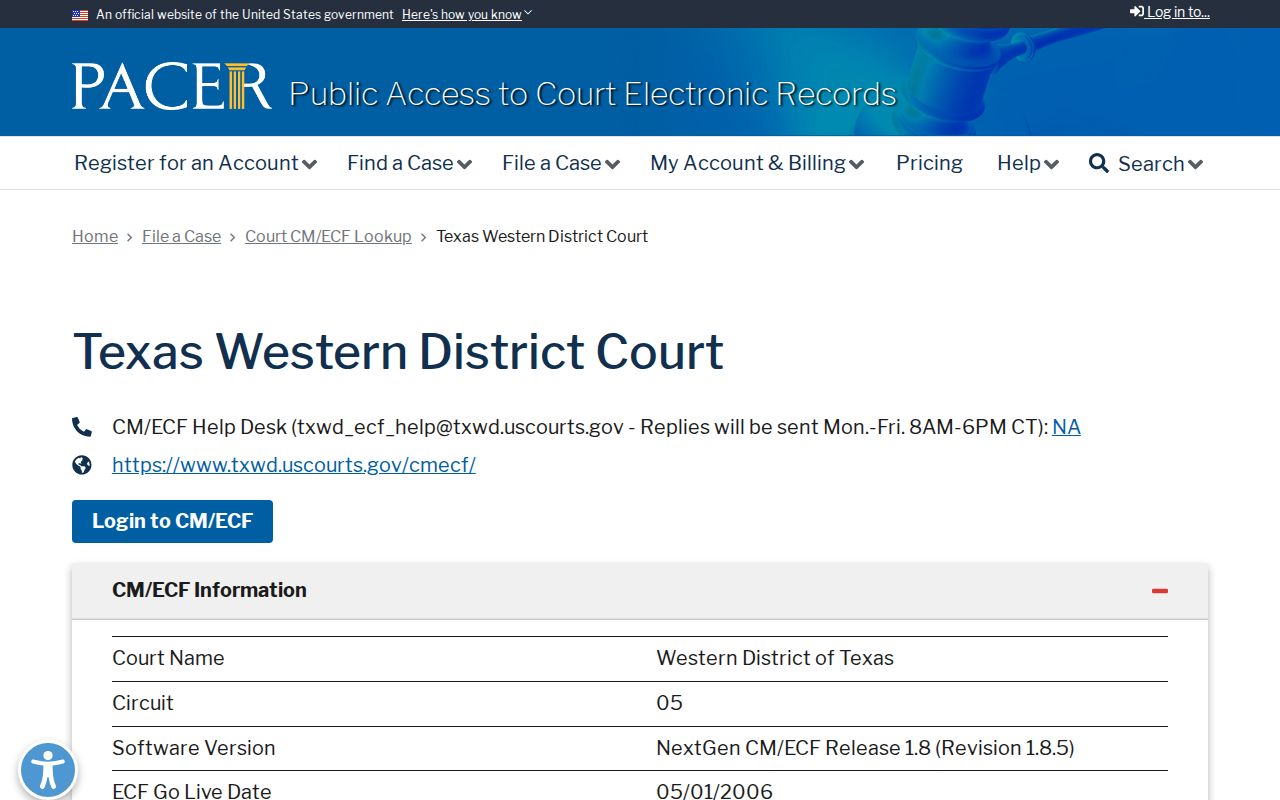
That federal route answers federal questions; it returns no Lee County warrant result.